 Call Us :- 08045479502
 Send Inquiry
 English
 Spanish
 French
 German
 Italian
 Chinese (Simplified)
 Japanese
 Korean
 Arabic
 Portuguese
 Send Inquiry
Automatic Asphalt Drum Mix Plant
Price 2500000 INR/ Piece
MOQ : 1 Piece
Automatic Asphalt Drum Mix Plant Specification
- Fuel Type
- Diesel
- Tank Dimensions (Mm X Mm X Mm)
- 7500 x 2200 x 2500 mm
- Working Width
- 2.2 m
- Mount Type
- Trailer Mounted
- Tank Material
- Mild Steel
- Hole Size
- 15 mm Millimeter (mm)
- Hopper Capacity
- 3.5 m Cubic Meter (m3)
- Noise Level
- <85 dB db
- Coverage Area
- Up to 1600 m/hr Square Meter (m2)
- Compressor Type
- Screw compressor
- Driven Type
- Electrical
- Material
- Mild Steel
- Computerized
- Yes
- Automatic Grade
- Automatic
- RotorDiameter
- 1.2 m Meter (m)
- Size
- Standard
- Color
- Yellow/Black
- Dimension (L*W*H)
- 13500 x 2200 x 4500 mm Millimeter (mm)
Automatic Asphalt Drum Mix Plant Trade Information
- Minimum Order Quantity
- 1 Piece
- Supply Ability
- 1 Piece Per Day
- Delivery Time
- 1 Days
About Automatic Asphalt Drum Mix Plant
Enlisted amidst versatile organizations of this field, we are successfully engaged in offering excellent quality range of Automatic Asphalt Drum Mix Plant. The offered plant is manufactured at our premises with the use of supreme quality components . Finding application in construction, mining and related industries, this is widely used for hassle free mixing of large amount of asphalt. Moreover, interested clients can purchase the provided Automatic Asphalt Drum Mix Plant at pocket-friendly prices from us.
Key points:
Key points:
- Longer service life
- Excellent functioning
- Sturdy construction
- Superior efficiency
Asphalt Stationary Drum Mix Plants
| MODEL | KEW - 35 | KEW - 45 | KEW - 50 | KEW - 60 | KEW - 65 |
| CAPACITY | 35 - 40 TPH | 40 - 60 TPH | 60 - 90 TPH | 90 - 120 TPH | 120 - 150 TPH |
Advanced Automation and Efficiency
Utilizing a microprocessor-based control panel with a modern touchscreen interface, this plant streamlines the mixing process with high precision. The fully automatic technology, including a modulating burner and aggregate feeder, minimizes manual intervention, enha nces operational safety, and ensures consistent asphalt quality with every batch.
Mobility and Robust Construction
Mounted on a two-axle heavy-duty chassis, this drum mix plant offers exceptional portability for easy transport between job sites. Made from premium mild steel, it withstands rigorous use and tough conditions often encountered in road construction projects, ensuring long-lasting performance and reduced maintenance downtime.
Large Capacity and Consistent Output
With a 20,000-liter bitumen tank and a continuous output system, the plant is designed for high-volume operations. Its standard dimensions and considerable coverage areaup to 1,600 square meters per hourmake it suitable for large infrastructure projects requiring efficient, uninterrupted asphalt production.
FAQs of Automatic Asphalt Drum Mix Plant:
Q: How does the fully automatic modulating burner improve plant performance?
A: The fully automatic modulating burner regulates fuel and air mixture precisely, ensuring steady and efficient combustion. This results in optimal heating of aggregates, reduced fuel consumption, and consistent asphalt quality during continuous plant operation.Q: What is the role of the microprocessor-based control panel with touchscreen display?
A: The control panel offers centralized management of all plant functions through a user-friendly touchscreen. Operators can easily monitor, adjust, and automate the mixing process, ensuring greater accuracy and reducing the risk of human error.Q: When is it advantageous to use this portable asphalt drum mix plant?
A: This plant is ideal for large-scale or temporary road construction projects where rapid mobilization and on-site asphalt production are required. Its portable design allows quick setup and relocation, minimizing project delays and transportation costs.Q: Where can this automatic asphalt drum mix plant be deployed?
A: Thanks to its trailer-mounted and portable design, the plant can be deployed at diverse job sites across India and exported internationally. It is suitable for both urban and rural infrastructure developments.Q: What is the typical process for using this drum mix plant?
A: Aggregates are independently fed through the four-bin feeder into the mixing drum, where they are heated and mixed with bitumen from the 20,000 L tank. The computerized system controls temperature, mixture, and flow rate, guaranteeing a uniform and high-quality asphalt output.Q: How is the plants noise level managed during operation?
A: The plant incorporates advanced air-cooling and screw compressor technologies to minimize operational noise, maintaining levels below 85 dB, which complies with industry standards for a safer and quieter work environment.Q: What are the primary benefits of using this automatic drum mix plant?
A: Key benefits include fully automated operation, high production capacity, consistent asphalt quality, portable design for easy relocation, and a robust mild steel structure. These features collectively lead to reduced labor requirements, operational cost savings, and increased project efficiency.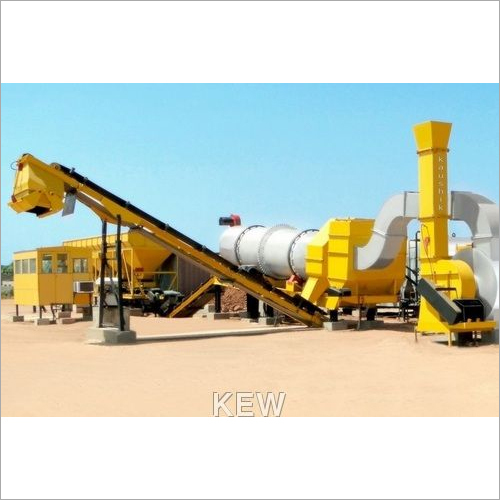
Tell us about your requirement

Price:
Quantity
Select Unit
- 50
- 100
- 200
- 250
- 500
- 1000+
Additional detail
Mobile number
Email

More Products in Asphalt Drum Mix Plants Category
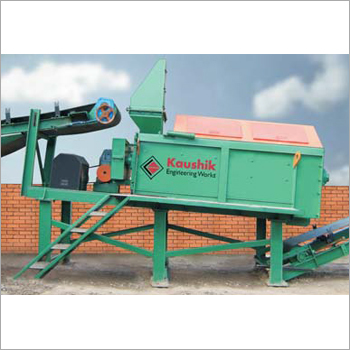
Soil Stabilization (Wet Mix Macadam) Plants
Price 1500000 INR / Piece
Minimum Order Quantity : 1 Piece
Vibration Frequency : 50 Hz Hertz (HZ)
Color : Green / Blue / Yellow
Size : Standard / Customizable
Material : Mild Steel / Structural Steel
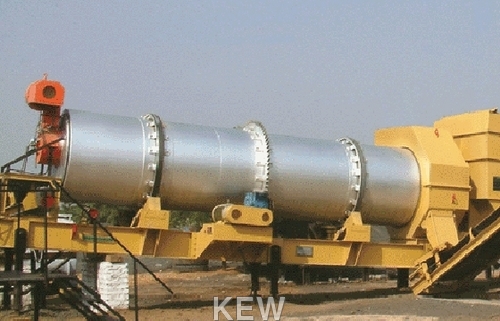
Asphalt Drum Mixing Plant
Price 4499999 INR / Piece
Minimum Order Quantity : 1 Piece
Vibration Frequency : 50 Hz Hertz (HZ)
Color : Yellow/Black
Size : Large
Material : Mild Steel, Stainless Steel
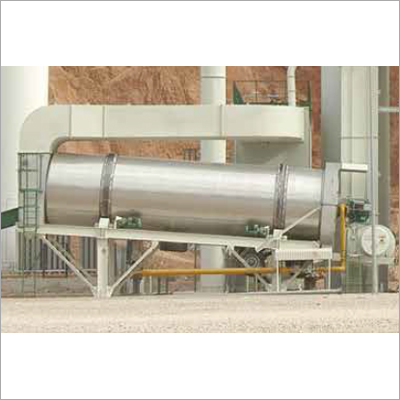
Asphalt Batch Mix Plant Dryer
Price 100000 INR / Piece
Minimum Order Quantity : 1 Piece
Vibration Frequency : 50 Hz Hertz (HZ)
Color : Silver
Size : Large
Material : Stainless Steel
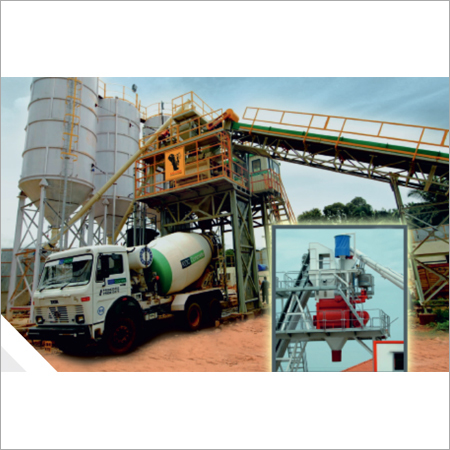
Concrete Batching Plant
Price 2500000 INR / Piece
Minimum Order Quantity : 1 Piece
Vibration Frequency : 50 Hz Hertz (HZ)
Color : Yellow & Blue
Size : Standard
Material : Mild Steel

Contact Details

- Plot No. 520, Road No. 14, Kathwada, GIDC, Odhav-Kathwada Road,Ahmedabad - 382430, Gujarat, India
- Phone : 08045479502
KAUSHIK ENGINEERING WORKS
GST : 24AADFK6823E1ZM
GST : 24AADFK6823E1ZM

- Mr Niraj Shah (Director)
- Mobile : 08045479502
- nshah@kaushikengineeringworks.com

|


 Send Inquiry
 Send SMS
KAUSHIK ENGINEERING WORKS
All Rights Reserved.(Terms of Use)
Developed and Managed by Infocom Network Private Limited.
Developed and Managed by Infocom Network Private Limited.

